

Tic Disorders Treatment in India: Symptoms, Causes, Diagnosis and Top Therapy Options

Understanding Tic Disorders at Royal House of Psychiatry (RHOPE)
Tic disorders are often misunderstood. Many families mistake tics for habits, stubborn behaviour or attention seeking, especially when they appear suddenly or intensify under stress. Children may be scolded, told to stop, or asked why they cannot control themselves, which only increases anxiety and worsens the tics. Adults may hide their tics in social and professional settings, often feeling embarrassed or judged.
At Royal House of Psychiatry (RHOPE), we understand tic disorders as neurological conditions rooted in the brain’s motor regulation pathways. This means the movements or sounds are involuntary and cannot simply be stopped by willpower. Our care begins with acknowledging the emotional pain families carry. Parents often feel guilty, confused or frightened. Children often feel shame and social pressure. Adults may feel exhausted by years of masking their symptoms.
RHOPE provides a calm, safe and scientifically grounded space where individuals finally receive validation, clarity and personalised therapeutic strategies to manage tics effectively. Our approach is evidence based, non judgmental and deeply humanistic. We help individuals not only reduce tics but also rebuild confidence and emotional resilience.
What Are Tic Disorders
Tic disorders include repetitive, involuntary motor or vocal behaviours that occur suddenly and repeatedly. They can be simple, such as blinking or sniffing, or complex, involving multiple coordinated movements or words. Tic disorders often fluctuate, intensify under emotional triggers and reduce during focused activities.
RHOPE focuses on identifying the complete picture: when tics began, what triggers them, how they affect school, work, relationships and emotional wellbeing. Understanding the full context allows us to create highly personalised treatment plans.

Key Symptoms of Tic Disorders
Tic symptoms appear in many forms, often surprising parents with their suddenness or frequency. Below are common indicators.
1. Motor Tics
- Rapid eye blinking or facial grimacing.
- Sudden shoulder jerks, head movements or limb actions.
These movements may look intentional but are driven by internal neurological impulses.
2. Vocal Tics
- Repeated throat clearing, sniffing or humming.
- Sudden expressions or repeated words unrelated to the situation.
These sounds often occur more during stress, excitement or fatigue.
3. Behavioural and Emotional Patterns
- Tics increase when the child feels observed or anxious.
- A sensory urge or tension often builds before the tic occurs.
Real Stories. Real Help. Unlock understanding:
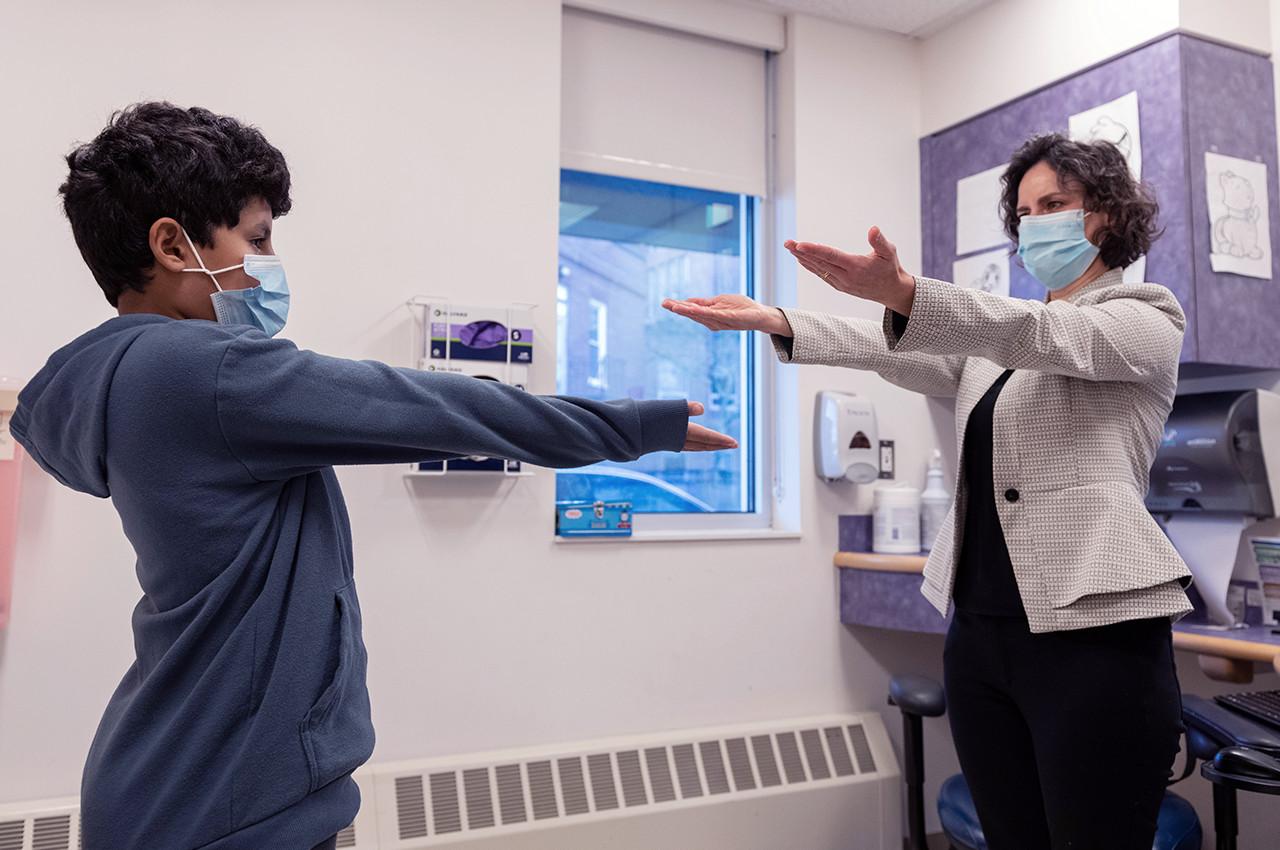
Aarav, a ten year old, starts blinking excessively during exams and social interactions. He knows he is doing it but cannot stop. He often feels something building inside his eyes before the blinking starts. At RHOPE, the therapist explains that this urge is neurologically driven, helping Aarav feel understood instead of ashamed.
Causes of Tic Disorders
Research shows tic disorders arise from neurological, genetic and emotional influences. Below is a concise breakdown.
1. Neurological Factors
- Differences in brain circuits responsible for movement and impulse control.
2. Genetic Influences
- Family history increases the likelihood of tics or related neurodevelopmental conditions.
3. Emotional and Environmental Triggers
- Stress, fatigue, transitions and performance pressure may temporarily increase tic frequency.
RHOPE helps families understand that tics are not behavioural faults. They are neurobiological and often need structured support rather than discipline.
Diagnosis of Tic Disorders at Royal House of Psychiatry (RHOPE)
A correct diagnosis is essential because tics often overlap with anxiety disorders, ADHD, OCD and sensory processing issues. Misinterpretation can lead to unnecessary punishment, stress and worsening of symptoms.
RHOPE’s diagnostic approach is thorough, layered and sensitive to the individual's emotional state. We ensure both the child and the family feel understood throughout the process.
Diagnostic Methods Used at RHOPE
- Clinical Evaluation
Detailed assessment of tic frequency, type, severity and emotional triggers. - Neurological Screening
Used to rule out seizure activity or other neurological disorders. - Behavioural and Psychological Assessment
Evaluates coexisting issues like anxiety, ADHD, impulsivity or obsessive behaviours. - Developmental and Family History
Gives clarity on patterns, onset, genetic influence and stress factors.
This holistic approach allows RHOPE clinicians to create an accurate profile of the individual's needs.


Top Therapy Options for Tic Disorders at RHOPE
Tic treatment is not about forcing the child or adult to "stop." It is about teaching the brain new patterns, reducing internal urges and lowering the emotional triggers that worsen tics.
RHOPE combines evidence based therapies with compassionate emotional support.
1. Habit Reversal Training
- Teaches awareness of the tic and introduces a competing movement that interrupts the pattern.
2. Comprehensive Behavioral Intervention for Tics (CBIT)
- Integrates habit reversal, relaxation, environmental modifications and daily practice strategies.
- CBIT is scientifically proven to significantly reduce tic frequency and intensity.
3. Stress and Anxiety Management
- Uses CBT techniques, breathing exercises and emotional regulation strategies to reduce internal triggers.
- Many individuals experience fewer tics as anxiety and pressure decrease.

4. Medication Support
- Provided when tics disrupt school, work or daily functioning. Doses are carefully monitored.
- RHOPE’s medication approach is minimalistic, safe and always accompanied by therapy.
5. Parent and Family Guidance
- Helps families respond calmly, reduce pressure and avoid unintentional reinforcement of tics.
- Parents learn to create an emotionally safe home environment that supports progress.
Long Term Management and Support at RHOPE
While tics may not disappear completely, structured long-term strategies ensure lasting control and confidence.
- Regular follow-ups to monitor progress and adjust strategies.
- Ongoing emotional support for the individual and family.
- Guidance for school, workplace accommodations and social confidence.
RHOPE is committed to helping every individual live fully and confidently despite tics.
Why Choose Royal House of Psychiatry (RHOPE)
RHOPE offers a uniquely patient centered approach that blends clinical expertise with emotional sensitivity.
- Detailed and accurate diagnosis for children, teens and adults.
- Personalised therapy plans using CBIT and habit reversal techniques.
- A calm and non judgmental environment that reduces anxiety.
- Long term monitoring and structured progress tracking.
- Deep emotional support for families navigating uncertainty.
At RHOPE, individuals are guided with patience, respect and the belief that every person deserves control over their symptoms and confidence in their identity.

Frequently Asked Questions
- Can tic disorders improve with therapy?
Yes. CBIT and habit reversal techniques significantly reduce tic frequency and intensity. - Are tics curable?
Tics may not disappear completely, but they are highly manageable with the right interventions. - Can stress increase tics?
Yes. Stress, fatigue and emotional pressure often increase tic intensity. - Is medication always required?
No. Many individuals improve with behavioural therapy alone. - Do tics affect intelligence?
No. Tic disorders do not impact intelligence or learning capacity.

Begin Your Treatment Journey at RHOPE
Tic disorders can cause confusion, emotional distress and frustration, but the right support can bring clarity and control. At Royal House of Psychiatry (RHOPE), we provide comprehensive evaluation, scientifically grounded treatment and compassionate guidance for children, teenagers and adults.
To schedule an evaluation or consultation, contact Royal House of Psychiatry (RHOPE) today. Your journey toward confidence, control and understanding begins here.
Take the First Step Today
You don’t have to hide or struggle alone.
Book your consultation at RHOPE today and step into a life of confidence and control.