

Substance Use Disorder (SUD) Treatment: RHOPE's Comprehensive Treatment and Support in India

Substance Use Disorder (SUD) Treatment in India: Understanding Addiction, Early Intervention and Long-Term Recovery
Understanding Substance Use Disorder at Royal House of Psychiatry (RHOPE)

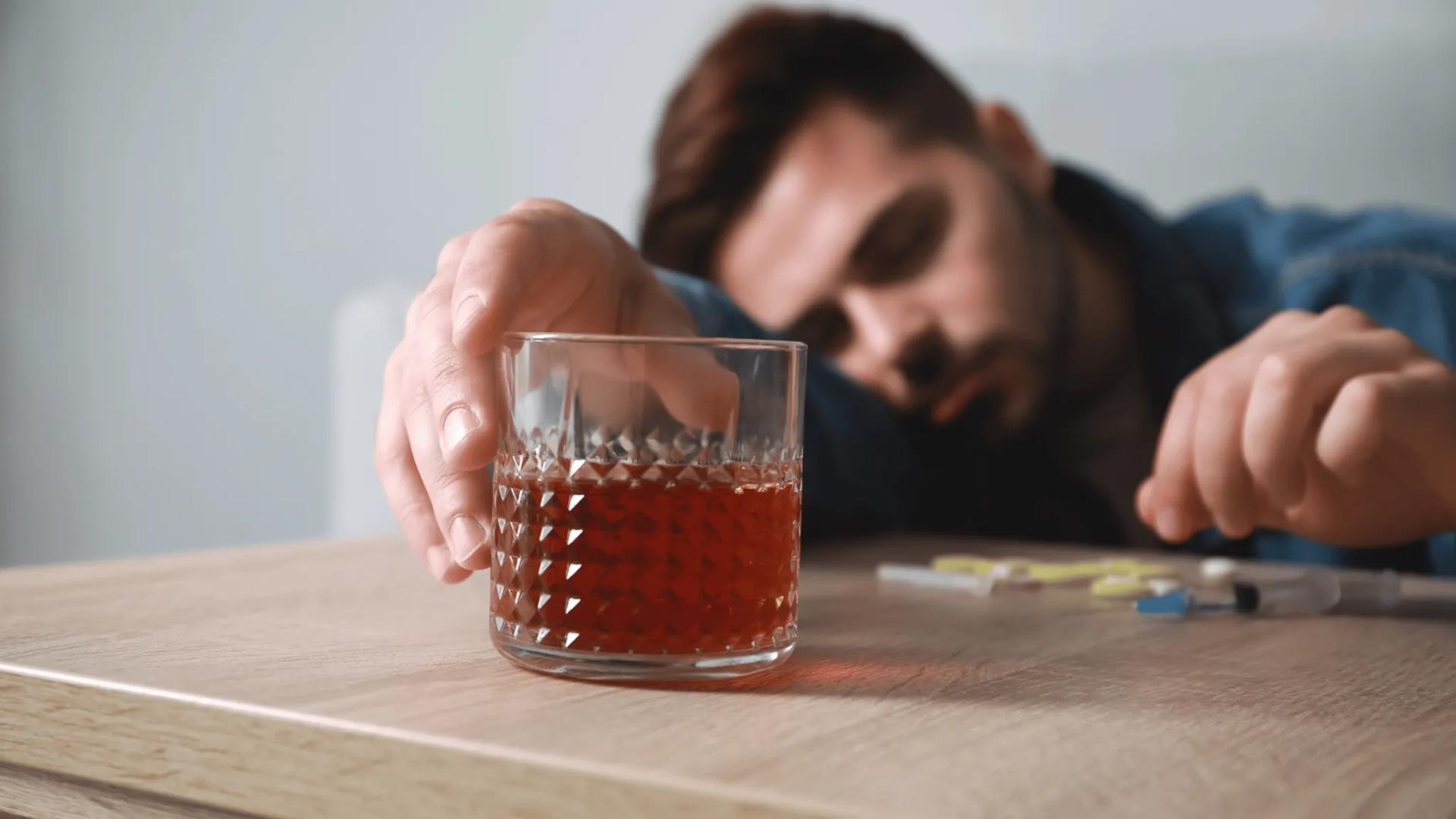
Substance Use Disorder (SUD) is a complex mental health condition characterized by the compulsive use of substances despite harmful consequences. Individuals with SUD experience intense cravings, loss of control over substance use, and significant impairment in daily functioning. This condition affects millions of people in India, creating devastating impacts on families, relationships, and communities.
Families often feel emotionally torn watching their loved ones struggle with addiction. They witness the person they care about becoming someone they barely recognize, engaging in risky behaviors, and experiencing physical and psychological deterioration. Attempts to help or intervene often meet with denial, anger, or resistance, making the situation feel hopeless.
At Royal House of Psychiatry (RHOPE), we understand the emotional complexity of Substance Use Disorder. Our approach is grounded in respect, empathy, and evidence-based treatment. We help individuals understand their condition without shame and provide families with strategies to support recovery. Treatment focuses on detoxification, addressing underlying causes, strengthening coping skills, and creating long-term supportive frameworks for sustained recovery.
RHOPE sees every individual with Substance Use Disorder as a person deserving of dignity, understanding, and personalized psychiatric care. With the right intervention, recovery is possible, relationships can be repaired, and individuals can rebuild meaningful, substance-free lives.
What Is Substance Use Disorder
Substance Use Disorder is a medical condition characterized by a problematic pattern of substance use leading to clinically significant impairment or distress. The disorder can involve alcohol, prescription medications, illegal drugs, or other substances. It is diagnosed based on criteria including tolerance, withdrawal, loss of control, and continued use despite negative consequences.
RHOPE provides specialized evaluation and structured treatment programs that address addiction comprehensively while prioritizing physical safety, emotional support, and dignity throughout the recovery process.
Key Symptoms and Types of Substance Use Disorder

- Alcohol Use Disorder
Compulsive alcohol consumption despite negative physical, social, or psychological consequences.
- Opioid Use Disorder
Addiction to prescription painkillers or illegal opioids like heroin, leading to severe physical dependence.
- Stimulant Use Disorder
Addiction to substances like cocaine, amphetamines, or methamphetamine, causing intense cravings and psychological dependence.
- Cannabis Use Disorder
Problematic marijuana use leading to impaired functioning and inability to reduce or stop use.
- Prescription Drug Use Disorder
Misuse of prescription medications, including sedatives, stimulants, or pain relievers, beyond prescribed use.
Real Stories. Real Help. Unlock understanding:
Real Stories. Real Help. Unlock understanding: Raj, age 35, struggled with alcohol dependence for eight years. His drinking affected his job, relationships, and health. His family felt helpless watching him spiral downward. At RHOPE, he received comprehensive treatment including medical detox, therapy, and ongoing support. Today, Raj has been sober for two years, has rebuilt his career, and restored relationships with his family.
Causes of Substance Use Disorder
- Biological Factors
Genetic predisposition, brain chemistry imbalances, and how substances affect the brain's reward system.
- Environmental Factors
Exposure to substance use, peer pressure, trauma, stress, and availability of substances.
- Psychological Factors
Mental health conditions like depression, anxiety, or PTSD may lead to self-medication with substances.
- Social and Cultural Influences
Cultural norms around substance use, social acceptance, and lack of awareness about addiction as a medical condition.
Substance Use Disorder is not caused by weak character or lack of willpower. It is a medical condition requiring professional treatment and support.
Diagnosis of Substance Use Disorder at Royal House of Psychiatry (RHOPE)

Diagnosis requires comprehensive assessment, sensitivity, and clinical precision. Individuals may resist evaluation due to shame, fear, or denial. RHOPE clinicians create a safe, non-judgmental environment to ensure accurate diagnosis and appropriate treatment planning.
- Comprehensive Psychiatric and Medical Evaluation
Explores the nature, duration, and impact of substance use, including physical health assessment and withdrawal risk evaluation.
- Substance Use History and Pattern Assessment
Evaluates frequency, quantity, methods of use, and progression of substance use over time.
- Screening for Co-occurring Mental Health Disorders
Identifies underlying depression, anxiety, trauma, or other mental health conditions that may contribute to or result from substance use.
- Physical and Laboratory Evaluation
Assesses physical health, organ function, and substance-related medical complications.
- Family and Social History
Provides deeper insight into family history of addiction, social support systems, and environmental triggers.
This structured approach ensures an accurate diagnosis and a comprehensive foundation for effective treatment.
Treatment and Care Strategies at RHOPE
Treatment requires patience, consistency, and a therapeutic relationship built on trust. RHOPE provides multi-layered care strategies that address physical dependence, psychological factors, and long-term recovery support.
- Medical Detoxification
Safe, medically supervised withdrawal management to address physical dependence and prevent complications.
Helps manage withdrawal symptoms and stabilize physical health.
Medication-assisted treatment when appropriate to support recovery and reduce cravings.
- Cognitive Behavioral Therapy (CBT) for Addiction
Helps individuals identify triggers, develop coping strategies, and change maladaptive thought patterns.
Builds skills for managing cravings, stress, and emotional regulation.
Therapy is personalized and paced according to individual readiness and needs.
- Motivational Enhancement Therapy
Encourages intrinsic motivation for change and commitment to recovery.
Reduces ambivalence and builds confidence in the ability to change.
This improves engagement and long-term treatment outcomes.
- Family Counseling and Support
Helps families understand addiction, set healthy boundaries, and provide appropriate support.
Reduces family conflict and improves communication and relationships.
Families learn how to support recovery without enabling substance use.
- Relapse Prevention and Aftercare
Identifies high-risk situations and develops strategies to prevent relapse.
Builds long-term resilience and ongoing support systems.
Structured aftercare programs maintain recovery and provide continued support.
- Social and Occupational Rehabilitation
Helps individuals rebuild daily functioning, relationships, and career stability.
Supports social reintegration and development of healthy lifestyle patterns.
Recovery includes emotional, social, occupational, and physical wellness.
Long Term Support and Recovery at RHOPE
Substance Use Disorder requires sustained support even after initial treatment. Recovery is an ongoing process that benefits from continued care and monitoring.
Regular follow-ups to prevent relapse and address challenges early.
Monitoring for triggers, stress, or early warning signs of potential relapse.
Long-term psychotherapy for emotional wellbeing and relapse prevention.
Structured routines and healthy lifestyle habits to maintain stability and prevent relapse.
RHOPE helps individuals build meaningful, substance-free, and independent lives with ongoing support and care.
Families choose RHOPE because of our patient-centered and evidence-based approach.
Early and accurate diagnosis supported by clinical expertise and comprehensive assessment.
Personalized treatment plans that respect dignity, autonomy, and individual needs.
Compassionate, non-judgmental therapy that builds trust and supports recovery.
Long-term follow-up and relapse prevention strategies.
Strong family support system integrated into treatment and recovery planning.
A safe and supportive environment focused on total recovery and long-term wellness.
RHOPE believes that every individual deserves a chance to rebuild their life with clarity, stability, and freedom from addiction.
Frequently Asked Questions
- Can Substance Use Disorder be treated?
Yes. With proper treatment, therapy, and support, recovery is possible. Many individuals achieve long-term sobriety and rebuild their lives.
- Do cravings go away completely?
Many individuals experience significant reduction in cravings with sustained treatment and recovery support. Cravings typically decrease over time with proper care.
- Does willpower alone help overcome addiction?
No. Addiction is a medical condition that requires professional treatment. Willpower alone is rarely sufficient. Comprehensive treatment including therapy, support, and sometimes medication is essential for recovery.
- Can someone with Substance Use Disorder work normally?
Yes. Many individuals function well in work and daily life with treatment and ongoing support. Recovery enables individuals to rebuild careers and maintain employment.
- Is hospitalization needed?
Hospitalization may be needed for medical detoxification, severe withdrawal, or when there are safety concerns. Many individuals can receive effective treatment in outpatient settings with appropriate support.
Begin Compassionate Care at RHOPE
Substance Use Disorder can strain families, relationships, and emotional wellbeing, but with the right care, recovery and stability are absolutely possible. At Royal House of Psychiatry (RHOPE), individuals receive expert treatment rooted in empathy, personalized planning, and long-term support.
To schedule an evaluation or consultation, contact Royal House of Psychiatry (RHOPE) today. A stable, grounded, and hopeful future begins with the right intervention.
Begin Your Recovery Journey with RHOPE
Substance Use Disorder (SUD) Treatment can feel overwhelming, but recovery is possible with the right support. At Royal House of Psychiatry (RHOPE), we provide compassionate care, expert diagnosis, and comprehensive treatment designed to restore emotional strength and purpose.
To schedule an evaluation or consultation, contact Royal House of Psychiatry (RHOPE) today. Your path to clarity, healing, and renewed hope begins here.