

Persistent Depressive Disorder (Dysthymia) Treatment: RHOPE's Comprehensive Treatment and Support in India

Persistent Depressive Disorder (Dysthymia) Treatment in India: From Accurate Diagnosis to Complete Recovery Support
Understanding Persistent Depressive Disorder (Dysthymia) at Royal House of Psychiatry (RHOPE)

Persistent Depressive Disorder (Dysthymia) is far more than sadness. It is a serious medical condition that affects mood, energy, thinking and overall functioning. Many individuals try to hide their distress, forcing themselves through daily routines while silently feeling overwhelmed, empty or exhausted. Families often notice changes but struggle to understand why their loved one cannot simply "snap out of it."
At Royal House of Psychiatry (RHOPE), we understand the invisible weight carried by individuals living with persistent depression. Dysthymia affects relationships, work, sleep, appetite and self-confidence. It often brings deep emotional pain, guilt and helplessness. Loved ones may feel confused or helpless watching someone they care about withdraw, lose motivation or struggle with thoughts they cannot express.
RHOPE provides a compassionate, sensitive and science backed environment where individuals feel understood, validated and supported from the first consultation. Our approach focuses on accurate diagnosis, careful treatment planning and long term recovery support. We believe that with the right intervention, individuals can reclaim joy, hope and stability.
What Is Persistent Depressive Disorder (Dysthymia)
Persistent Depressive Disorder (Dysthymia) is a mood disorder characterised by persistent low mood, loss of interest in activities, changes in sleep or appetite and difficulty functioning in daily life. Symptoms last for at least two years in adults (one year in children and adolescents) and often continue for extended periods without treatment.
RHOPE focuses on early recognition, thorough assessment and personalised treatment strategies that help restore emotional health.
Key Symptoms of Persistent Depressive Disorder (Dysthymia)
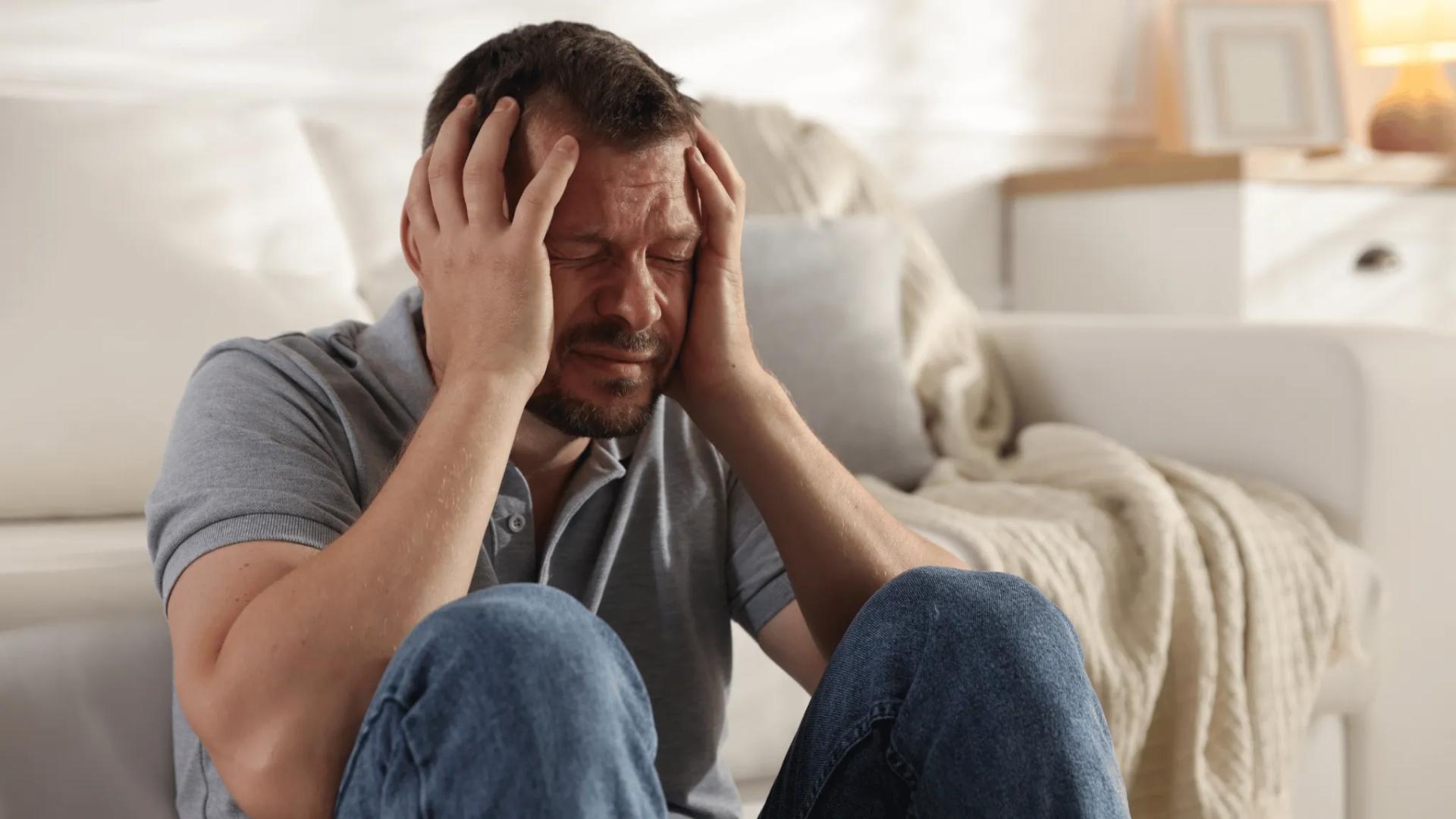
Symptoms vary in intensity and may look different from person to person.
- Emotional Symptoms
Persistent sadness or emptiness.
Loss of interest in previously enjoyable activities.
- Physical Symptoms
Changes in appetite or weight.
Fatigue, low energy or sleep disturbances.
- Cognitive and Behavioural Symptoms
Difficulty concentrating or making decisions.
Feelings of guilt, hopelessness or worthlessness.
Real Stories. Real Help. Unlock understanding: Ananya, age twenty eight, finds herself unable to get out of bed, avoids social interactions and feels disconnected from everything she once enjoyed. Her family tells her she is overthinking, but she feels something is deeply wrong. At RHOPE, she finally receives a proper diagnosis and begins a recovery plan that restores her strength and clarity.
Causes and Risk Factors
Persistent Depressive Disorder is influenced by multiple interacting factors. Understanding these reduces blame and supports recovery.
- Biological Factors
Genetics, neurotransmitter imbalances and brain chemistry changes.
- Psychological Factors
Stress, trauma, low self esteem and chronic emotional strain.
- Environmental and Lifestyle Factors
Relationship difficulties, workplace stress or major life changes.
- Medical Conditions
Thyroid issues, vitamin deficiencies or chronic illnesses can contribute.
RHOPE evaluates all possible causes to design a personalised and effective treatment plan.
Diagnosis of Persistent Depressive Disorder (Dysthymia) at Royal House of Psychiatry (RHOPE)

Diagnosis requires precision because symptoms often overlap with anxiety disorders, bipolar disorder, grief or medical conditions. RHOPE uses a multi layered diagnostic process to ensure clarity.
- Detailed Clinical Interview
Explores mood, behaviour, duration and severity of symptoms.
- Standardised Depression Scales
Measures intensity of depressive symptoms for accurate diagnosis.
- Cognitive and Functional Assessment
Examines impact on concentration, work, social functioning and daily tasks.
- Medical and Laboratory Screening
Rules out hormonal or metabolic conditions contributing to mood changes.
- Psychosocial and Family History
Identifies stressors, triggers and emotional patterns.
This comprehensive assessment forms the foundation of a precise diagnosis and tailored treatment.
Comprehensive Treatment Options for Persistent Depressive Disorder (Dysthymia) at RHOPE
Persistent Depressive Disorder treatment requires a holistic and personalised approach. RHOPE integrates medication, therapy, lifestyle changes and recovery based support for complete healing.
- Medication Management
Antidepressants help stabilise mood and brain chemistry.
Carefully selected to minimise side effects and maximise improvement.
Medication is monitored frequently to ensure safe and steady progress.
- Cognitive Behavioral Therapy (CBT)
Helps restructure negative thought patterns.
Builds emotional resilience and coping strategies.
CBT is one of the most effective therapies for Persistent Depressive Disorder.
- Interpersonal Therapy (IPT)
Focuses on relationship issues and unresolved grief.
Strengthens emotional communication and support systems.
Especially helpful for individuals whose symptoms relate to interpersonal stress.
- Behavioural Activation
Encourages structured activities that improve mood and motivation.
Helps individuals reengage with daily routines.
This increases energy and reduces withdrawal.
- Lifestyle and Wellness Interventions
Supports sleep regulation, physical activity and nutrition.
Reduces inflammation, fatigue and emotional imbalance.
Holistic care improves long term outcomes.
- Family Counseling and Support
Educates families on depression and recovery.
Reduces conflict and increases emotional support at home.
Family involvement enhances recovery speed.
- Advanced Treatments for Severe Depression
ECT for treatment resistant cases.
Safe, medically supervised and highly effective.
Used when other treatments do not provide relief.
Long Term Recovery and Relapse Prevention at RHOPE
Recovery from Persistent Depressive Disorder goes beyond symptom reduction. RHOPE provides structured long term support.
Monitoring for early signs of relapse.
Continued therapy for maintaining emotional strength.
Lifestyle regulation for stress and sleep management.
Gradual reintroduction to work, education or daily routines.
RHOPE ensures recovery is stable, sustainable and empowering.
Families choose RHOPE because of our specialised and deeply human approach.
Accurate diagnosis backed by clinical expertise.
Personalised treatment plans addressing emotional and functional needs.
Integration of therapy, medication and holistic care.
Long term follow ups ensuring continued stability.
Family-friendly environment with strong emotional support.
A recovery oriented model focused on dignity and empowerment.
RHOPE believes every individual deserves a life filled with clarity, hope and emotional balance.
Frequently Asked Questions
- Can Persistent Depressive Disorder be fully treated
Yes. Many individuals experience full remission with the right treatment.
- How long does treatment take
Duration varies, but most individuals see improvement within weeks.
- Are medications necessary
Often yes, but some mild cases may respond to therapy alone.
- Can depression return
It can, but relapse prevention strategies greatly reduce this risk.
- Can individuals work or study while in treatment
Yes. Many continue their routines with supportive adjustments.
Begin Your Recovery Journey at RHOPE
Persistent Depressive Disorder (Dysthymia) can feel isolating and overwhelming, but recovery is possible with the right support. At Royal House of Psychiatry (RHOPE), you receive compassionate care, expert diagnosis and complete treatment designed to restore emotional strength and purpose.
To schedule an evaluation or consultation, contact Royal House of Psychiatry (RHOPE) today. Your path to clarity, healing and renewed hope begins here.
Begin Your Recovery Journey with RHOPE
Persistent Depressive Disorder (Dysthymia) Treatment can feel overwhelming, but recovery is possible with the right support. At Royal House of Psychiatry (RHOPE), we provide compassionate care, expert diagnosis, and comprehensive treatment designed to restore emotional strength and purpose.
To schedule an evaluation or consultation, contact Royal House of Psychiatry (RHOPE) today. Your path to clarity, healing, and renewed hope begins here.