

Generalized Anxiety Disorder Treatment in India: Managing Excessive Worry and Restoring Emotional Stability

Understanding Generalized Anxiety Disorder at Royal House of Psychiatry (RHOPE)
Generalized Anxiety Disorder (GAD) is a chronic condition marked by persistent, uncontrollable worry about everyday life events. Unlike normal stress, which comes and goes, GAD creates a constant state of alertness even when there is no real threat. Individuals often describe feeling stuck in their thoughts, overthinking every decision, and expecting the worst even without evidence.
This continuous worry affects sleep, concentration, productivity and emotional wellbeing. Families may misunderstand the symptoms, believing the individual is simply “too sensitive” or “thinking too much,” which can increase shame and frustration. People with GAD often hide their internal battles behind a calm exterior, masking the exhaustion that comes from worrying around the clock.
At Royal House of Psychiatry (RHOPE), we understand the silent burden of GAD. Our approach focuses on understanding the emotional roots, unlearning fear based patterns and rebuilding a sense of calm. Patients find a safe, non-judgmental space where they can express their fears, gain clarity and begin structured recovery.
With expert guidance, individuals can regain emotional balance, rebuild confidence and restore a life free from constant mental tension.
What Is Generalized Anxiety Disorder (GAD)
GAD involves excessive worry lasting for at least six months about health, work, relationships or everyday activities. The worry feels uncontrollable and is often accompanied by physical symptoms such as restlessness, muscle tension and sleep issues.
RHOPE specialises in early recognition, precision diagnosis and personalised anxiety management plans.
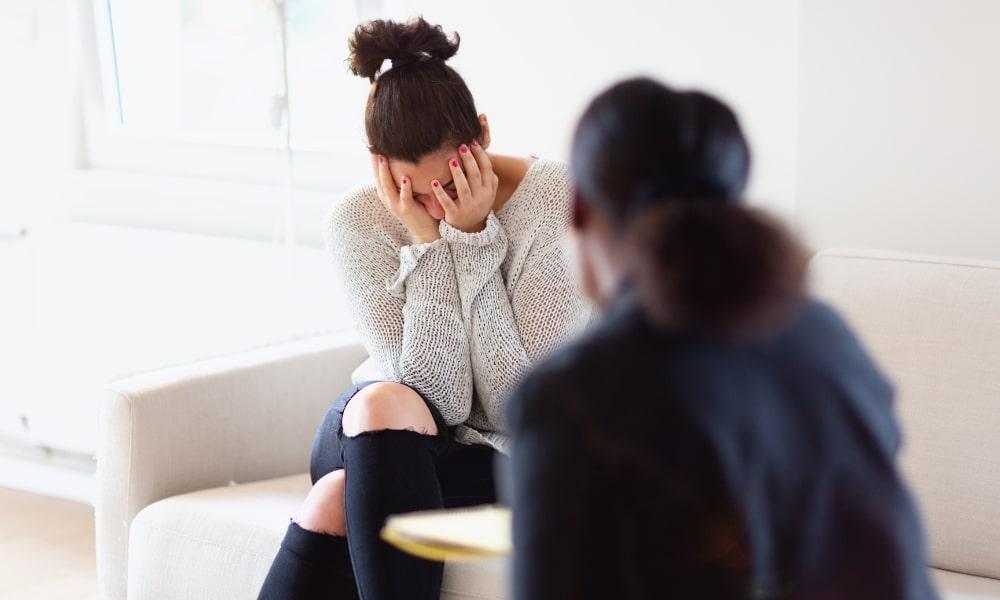
Key Symptoms of GAD
1. Emotional Symptoms
- Persistent sense of dread or uneasiness.
- Difficulty relaxing due to constant mental tension.
2. Physical Symptoms
- Muscle tension, headaches or stomach discomfort.
- Sleep disturbances or constant fatigue.
3. Cognitive and Behavioural Symptoms
- Overthinking worst case scenarios.
- Difficulty concentrating or making decisions.
Real Stories. Real Help. Unlock understanding:
Simran, age thirty one, worries excessively about work performance, family safety and everyday tasks. Even minor situations feel overwhelming. She often struggles to sleep and wakes up already anxious. At RHOPE, Simran finally receives a diagnosis that explains her long standing emotional struggle, allowing her to begin structured treatment and reclaim stability.

Causes and Risk Factors
GAD develops through a combination of internal predispositions and external stressors.
- Genetic and Biological Factors
Family history increases vulnerability to chronic anxiety. - Personality Patterns
Individuals who are sensitive, perfectionistic or over-responsible may be more prone. - Chronic Stress or Trauma
Long-term stress disrupts emotional regulation. - Physical Health Contributors
Thyroid issues, hormonal changes or chronic illness can elevate anxiety.
RHOPE evaluates all contributing factors to provide effective, holistic treatment.
Diagnosis of GAD at Royal House of Psychiatry (RHOPE)
Accurate diagnosis ensures that anxiety is not confused with depression, OCD, panic disorder or medical conditions.
Diagnostic Methods Used at RHOPE
- Detailed Clinical Interview
Explores root worries, triggers and impact on daily life. - Standardised Anxiety Assessments
Quantifies severity of symptoms and functional impairment. - Physical and Medical Screening
Rules out hormonal or medical issues mimicking anxiety. - Cognitive and Emotional Profile
Identifies thinking patterns contributing to anxiety. - Social and Family History Assessment
Examines stress patterns, environment and emotional influences.
This layered evaluation allows RHOPE to build a precise treatment foundation.
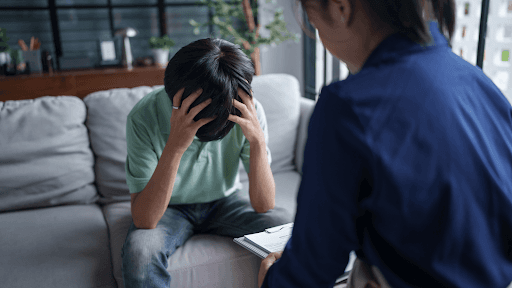

Comprehensive GAD Treatment Options at RHOPE
GAD responds well to structured therapy, medication support and lifestyle adjustments. RHOPE offers a complete recovery system tailored to each individual.
1. Cognitive Behavioral Therapy (CBT)
- Helps challenge and replace fear-driven thoughts.
- Builds long-term internal coping strategies.
CBT is considered the gold standard for anxiety treatment.
2. Medication Support
- Anti-anxiety medicines help manage physical and emotional symptoms.
- Antidepressants regulate brain chemistry for long-term stability.
Medications are carefully monitored for balance and safety.
3. Exposure and Response Prevention (ERP)
- Helps individuals face anxiety triggers gradually.
- Reduces avoidance behaviours that maintain anxiety.
ERP builds confidence and resilience.

4. Mindfulness and Relaxation Training
- Teaches grounding techniques to reduce worry spirals.
- Improves emotional awareness and stress response.
This enhances daily emotional stability.
5. Lifestyle and Holistic Interventions
- Structured routines improve sleep, diet and physical activity.
- Reduces physical tension that fuels anxiety.
Small changes create strong internal balance.
6. Family and Relationship Support
- Educates family members about anxiety patterns.
- Reduces emotional pressure and improves communication.
Supportive environments significantly speed up recovery.
Long-Term Recovery and Emotional Stability at RHOPE
GAD requires consistent long-term strategies for lasting emotional health.
- Regular follow-ups to track progress.
- Relapse prevention planning for high-stress periods.
- Continued therapy for deeper emotional healing.
- Gradual reintegration of confidence-building activities.
RHOPE ensures recovery becomes a stable and sustainable part of life.
Why Choose Royal House of Psychiatry (RHOPE)
RHOPE is trusted for its warm, evidence-based approach to anxiety disorders.
- Accurate diagnosis using clinically validated tools.
- Personalised treatment plans with measurable outcomes.
- Integration of therapy, medication and lifestyle support.
- Compassionate clinicians skilled in anxiety management.
- Strong emphasis on long-term emotional resilience.
- Safe, non judgmental space for honest conversations.
RHOPE helps individuals feel understood, supported and empowered.

Frequently Asked Questions
- Can GAD be cured?
Yes. Many individuals experience major improvement with structured treatment. - Do I need medication?
Not always. Some cases improve with therapy alone. - Can GAD affect physical health?
Yes. Chronic anxiety affects sleep, digestion, immunity and energy. - How long does treatment take?
Most individuals notice improvement within weeks, with continued progress over months. - Will anxiety return?
With relapse prevention strategies, recurrence significantly reduces.

Begin Your Anxiety Recovery Journey with RHOPE
Generalized Anxiety Disorder can feel exhausting and overwhelming, but with the right help, emotional stability is absolutely achievable. At Royal House of Psychiatry (RHOPE), we offer compassionate support, clinical precision and long-term solutions to help you regain control and confidence.
To schedule an evaluation or consultation, contact Royal House of Psychiatry (RHOPE) today. Your journey toward emotional clarity and calm begins now.
Take the First Step Today
You don’t have to live with constant worry.
Book your consultation at RHOPE today and step into a life of calm and clarity.