

Disruptive Mood Dysregulation Disorder Treatment in India: Helping Children Regain Emotional Balance and Stability

Understanding DMDD at Royal House of Psychiatry (RHOPE)
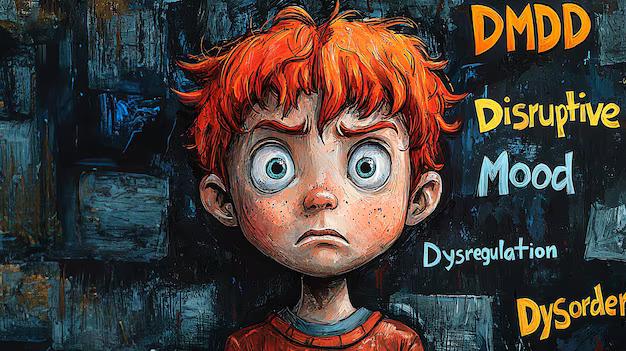
Disruptive Mood Dysregulation Disorder (DMDD) is a childhood mental health condition marked by severe irritability, frequent temper outbursts and chronic anger or frustration. These emotional reactions are far beyond what is typical for the child’s age and significantly impact school performance, family harmony and peer relationships.
Parents often feel overwhelmed, unsure whether their child is simply being stubborn or struggling with something deeper. Children with DMDD are not “bad kids” or intentionally difficult. They experience intense emotional storms that they cannot explain or control. These outbursts often lead to guilt, shame and social conflict, making the child feel misunderstood or isolated.
At Royal House of Psychiatry (RHOPE), we understand the emotional distress behind DMDD. Our child-focused approach is built on empathy, patience and scientific clarity. We help families make sense of the behaviours they are seeing and guide children toward emotional regulation, improved coping skills and better relationships.
RHOPE provides a nurturing environment where children feel safe expressing their emotions and families receive the tools they need to support recovery. With early intervention, children can develop emotional resilience and long term stability.
What Is Disruptive Mood Dysregulation Disorder (DMDD)
DMDD is characterised by chronic irritability and severe temper outbursts occurring three or more times a week for at least a year. These outbursts are disproportionate to the child’s developmental stage and occur across multiple environments such as home, school and social settings.
RHOPE focuses on early diagnosis, structured therapy and supportive care that helps children manage their emotions and regain balance.

Key Symptoms of DMDD
Symptoms vary in intensity but follow consistent patterns that affect daily functioning.
1. Chronic Irritability
- Persistent anger, frustration or moodiness.
- Easily annoyed by minor triggers.
2. Severe Temper Outbursts
- Intense verbal or physical reactions.
- Outbursts disproportionate to the situation.
3. Emotional and Social Challenges
- Difficulty maintaining friendships.
- Frequent conflicts at home or school.
Real Stories. Real Help. Unlock understanding:
Aarav, age nine, gets angry quickly, yells or throws things when frustrated and later feels guilty for his behaviour. His teachers describe him as bright but easily overwhelmed. At RHOPE, Aarav finally receives a diagnosis that explains his emotional struggles and begins structured therapy that reduces his outbursts and strengthens his coping skills.

Causes and Risk Factors
DMDD results from a combination of internal vulnerabilities and external influences.
- Emotional and Cognitive Vulnerabilities
Difficulty processing strong emotions or frustration. - Genetic and Biological Factors
Family history of mood or anxiety disorders increases risk. - Environmental Stressors
Inconsistent routines, family conflict or school pressure. - Early Childhood Temperament
Children with high emotional sensitivity may be more susceptible.
RHOPE identifies underlying factors to create tailored treatment plans.
Diagnosis of DMDD at Royal House of Psychiatry (RHOPE)
Diagnosing DMDD requires careful evaluation because symptoms overlap with ADHD, anxiety disorders, bipolar disorder and autism spectrum conditions. RHOPE uses a child centered, multi dimensional approach.
Diagnostic Methods Used at RHOPE
- Clinical Interview with Parents and Child
Explores behaviour patterns, emotional triggers and developmental history. - Behavioural Observation
Assesses reactions, emotional responses and frustration tolerance. - Standardised Psychological Assessments
Measures irritability, mood stability and emotional regulation. - School and Social Environment Evaluation
Identifies behaviour consistency across different settings. - Screening for Coexisting Conditions
Rules out ADHD, anxiety or learning difficulties.
This thorough evaluation ensures accurate diagnosis and effective treatment planning.

Comprehensive Treatment for DMDD at RHOPE
DMDD treatment requires a combination of therapy, family involvement and structured routines. RHOPE provides a complete care model that supports emotional, behavioural and cognitive development.
1. Cognitive Behavioral Therapy (CBT)
- Helps children identify and manage emotional triggers.
- Builds problem solving and self-regulation skills.
CBT helps children understand and change their reaction patterns.
2. Behavioural Therapy
- Teaches healthier responses to frustration.
- Uses reward systems to encourage positive behaviour.
Consistency improves emotional stability.
3. Parent Management Training (PMT)
- Teaches parents effective discipline and emotional support strategies.
- Helps reduce conflict and improve communication.
Parents become partners in the healing process.
4. Social Skills Training
- Helps children interact with peers constructively.
- Reduces conflicts and enhances emotional resilience.
This strengthens friendships and self confidence.

5. Family Therapy
- Improves family understanding and reduces tension.
- Creates stable emotional environments at home.
Family involvement accelerates recovery.
6. Medication Support
- Used when irritability severely affects functioning.
- Only prescribed when absolutely necessary and closely monitored.
Medication is always part of a larger therapeutic plan.
7. School Based Support
- Collaboration with teachers for consistency across environments.
- Helps create routines that support emotional stability.
This reduces behavioural episodes in academic settings.
Long Term Emotional Stability and Recovery at RHOPE
DMDD improves significantly with structured and consistent support.
- Regular follow ups to track emotional regulation.
- Long term therapy for building coping skills.
- Parent coaching for maintaining progress.
- School coordination for continued behavioural support.
RHOPE ensures children develop lasting emotional balance and resilience.
Why Choose Royal House of Psychiatry (RHOPE)
Families choose RHOPE for DMDD treatment because of our comprehensive, child centered approach.
- Accurate diagnosis using developmentally appropriate tools.
- Personalised therapy plans that evolve with growth.
- Strong emphasis on family involvement and parent guidance.
- Therapists specialised in childhood emotional disorders.
- Supportive, safe environment for children to express emotions.
- Long term monitoring and relapse prevention strategies.
RHOPE is dedicated to helping children regain emotional balance, confidence and stability.

Frequently Asked Questions
- Can DMDD be treated?
Yes. With therapy and structured support, children show major improvement. - Is DMDD the same as Bipolar Disorder?
No. DMDD involves chronic irritability, not episodic mood shifts. - Do children outgrow DMDD?
Many improve significantly with early intervention. - Can medication help?
Yes, but only when symptoms severely interfere with functioning. - Can my child go to school during treatment?
Yes. With school support and therapy, functioning often improves rapidly.

Begin Your Child’s Emotional Healing Journey with RHOPE
Disruptive Mood Dysregulation Disorder can affect a child’s confidence, relationships and emotional wellbeing, but the right support brings stability and growth. At Royal House of Psychiatry (RHOPE), we provide accurate diagnosis, compassionate care and long term strategies for emotional regulation.
To schedule an evaluation or consultation, contact Royal House of Psychiatry (RHOPE) today. Your child’s journey toward emotional stability begins here.
Take the First Step Today
Your child doesn’t have to struggle alone.
Book your consultation at RHOPE today and help them find emotional peace.