

Bipolar Disorder Treatment in India: Mood Stabilisation, Expert Care and Long-Term Recovery Planning

Understanding Bipolar Disorder I at Royal House of Psychiatry (RHOPE)
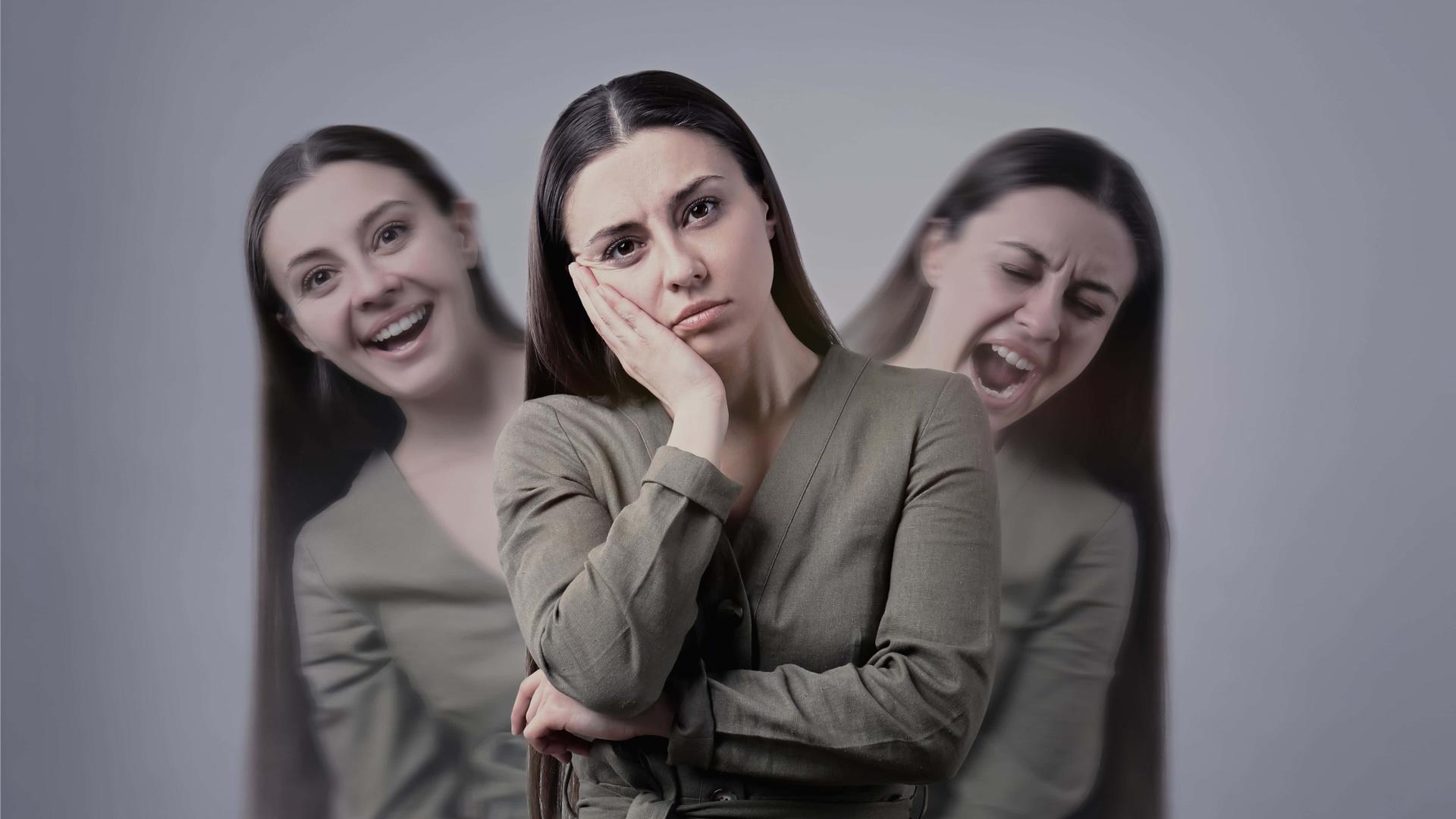
Bipolar Disorder I is a serious mood disorder where individuals experience intense mood shifts ranging from manic episodes to depressive phases. Mania can involve high energy, impulsive behaviours, reduced need for sleep and racing thoughts. The depressive phase brings profound sadness, exhaustion, hopelessness and difficulty functioning. These shifts can affect relationships, careers, emotional health and overall stability.
Many individuals and families feel overwhelmed when symptoms appear. During mania, people may feel euphoric, invincible or unusually creative, often unaware of how risky their behaviours have become. Loved ones may feel confused or helpless watching the drastic change. During depression, individuals may lose motivation, withdraw socially and struggle with the emotional weight of their symptoms.
At Royal House of Psychiatry (RHOPE), we understand the emotional complexity of Bipolar I Disorder. Our approach is grounded in compassion, clinical precision and long term partnership with the patient and family. RHOPE offers a structured, evidence based treatment model that prioritises mood stabilisation, safety, relapse prevention and emotional recovery. With the right care, individuals can achieve stability and lead fulfilling, productive lives.
What Is Bipolar Disorder
Bipolar Disorder involves at least one full manic episode and often includes depressive episodes. These mood swings are not ordinary emotional changes. They are powerful, overwhelming shifts in energy, cognition and behaviour that require medical treatment.
At RHOPE, treatment focuses on stabilising mood, preventing relapse and helping individuals regain a grounded, steady emotional baseline.

Key Symptoms of Bipolar Disorder
Symptoms vary significantly depending on whether the individual is experiencing a manic phase or a depressive phase.
1. Manic Symptoms
- Extremely high energy and reduced need for sleep.
- Impulsive decisions or risk taking behaviours.
2. Depressive Symptoms
- Persistent sadness, low energy and hopelessness.
- Difficulty concentrating or feeling disconnected from daily life.
3. Behavioural and Cognitive Symptoms
- Rapid thoughts or pressured speech during mania.
- Withdrawal, slowed thinking or indecisiveness during depression.
Real Stories. Real Help. Unlock understanding:
Arvind, age thirty, experiences periods of intense energy where he starts multiple projects, spends excessively and sleeps only a few hours. Weeks later, he feels unable to get out of bed and loses interest in everything. His family struggles to understand the drastic shifts. At RHOPE, he receives accurate diagnosis and begins a structured treatment plan that stabilises his mood and supports long term recovery.

Causes and Risk Factors
Bipolar I Disorder develops due to a combination of biological and environmental influences.
- Genetic Factors
Family history significantly increases risk. - Neurochemical Imbalance
Altered neurotransmitter activity affects mood and energy regulation. - Stress and Lifestyle Triggers
High stress, irregular routines or sleep disturbances worsen symptoms. - Medical or Biological Influences
Hormonal changes, underlying illnesses or medication effects.
RHOPE identifies underlying contributors to create a personalised recovery strategy.
Diagnosis of Bipolar Disorder at Royal House of Psychiatry (RHOPE)
Accurate diagnosis is crucial, especially since Bipolar is often mistaken for depression, ADHD, personality disorders or substance related conditions. RHOPE uses a detailed, multi layered evaluation process.
Diagnostic Methods Used at RHOPE
- Comprehensive Psychiatric Interview
Assesses mood patterns, symptom duration and functional impact. - Mood Tracking and Cycle Mapping
Identifies presence, duration and severity of manic and depressive episodes. - Standardised Assessment Tools
Measures mood instability, impulsivity and cognitive changes. - Medical and Neurological Screening
Rules out metabolic, hormonal or neurological contributors. - Personal and Family History
Evaluates genetic patterns and emotional triggers.
This structured assessment ensures clarity and accuracy, setting the foundation for effective treatment.

Treatment and Mood Stabilisation Options at RHOPE
Treatment for Bipolar I requires long term structure, clinical expertise and consistent monitoring. RHOPE offers a comprehensive model combining medication, therapy and lifestyle regulation.
1. Mood Stabilising Medications
- Help regulate extreme mood fluctuations.
- Reduce risk of future manic or depressive episodes.
Medications are carefully selected and monitored.
2. Antipsychotic Medication
- Used during acute mania for rapid symptom control.
- Helps manage agitation, psychosis and impulsive behaviour.
Short term or long term based on clinical need.
3. Cognitive Behavioral Therapy (CBT)
- Helps individuals manage mood triggers.
- Strengthens emotional and behavioural coping skills.
CBT improves long term emotional stability.
4. Psychoeducation and Insight Building
- Helps individuals recognise early warning signs.
- Enhances understanding of the disorder and treatment purpose.
Insight reduces relapse and increases treatment adherence.

5. Family Therapy and Support
- Teaches families to support without triggering conflict.
- Improves communication and reduces emotional strain.
Family involvement accelerates recovery.
6. Lifestyle and Routine Regulation
- Emphasises sleep schedule, nutrition and stress management.
- Helps stabilise biological rhythms that influence mood.
Consistent routines significantly reduce relapse risk.
7. Crisis Intervention and Safety Planning
- Provides immediate support during severe mania or depressive episodes.
- Ensures safety for the patient and family.
RHOPE has structured protocols for crisis management.
Long Term Recovery Planning at RHOPE
Recovery from Bipolar I is ongoing and requires monitoring to sustain progress.
- Regular follow ups to adjust medications and therapy.
- Relapse prevention strategies tailored to personal triggers.
- Emotional support to rebuild identity and confidence.
- Assistance with work, relationships and lifestyle rebuilding.
RHOPE ensures individuals not only stabilise but thrive long term.
Why Choose Royal House of Psychiatry (RHOPE)
RHOPE is known for its deep commitment to mood disorder treatment, especially Bipolar I.
- Accurate diagnosis supported by clinical expertise.
- Personalised treatment plans combining medication and therapy.
- Strong focus on long term monitoring and relapse prevention.
- Family inclusive approach for a supportive recovery environment.
- Holistic focus on lifestyle, emotional wellbeing and functioning.
- A stable, compassionate environment for long term healing.
RHOPE empowers individuals to regain balance, stability and confidence.

Frequently Asked Questions
- Can Bipolar Disorder I be treated?
Yes. With consistent treatment, individuals can live stable, fulfilling lives. - Does treatment last forever?
Long term treatment is often required, but intensity decreases over time. - Can mania return?
Yes. Early intervention and relapse prevention strategies reduce this risk. - Is hospitalisation required?
Only during severe manic or depressive episodes or safety concerns. - Can people with Bipolar I work or study normally?
Yes. Many individuals excel with the right support and structured care.

Begin Your Mood Stabilisation Journey with RHOPE
Bipolar Disorder I can feel overwhelming for individuals and families, but with expert care, stability and recovery are absolutely achievable. At Royal House of Psychiatry (RHOPE), we provide accurate diagnosis, comprehensive treatment and compassionate long term support.
To schedule an evaluation or consultation, contact Royal House of Psychiatry (RHOPE) today. Your journey toward emotional stability and renewed strength begins here.
Take the First Step Today
You deserve a life of balance and stability.
Book your consultation at RHOPE today and begin your journey to lasting emotional strength.