

Bipolar Disorder II Treatment in India: Early Diagnosis, Mood Stabilising Therapies and Long-Term Recovery Support

Understanding Bipolar Disorder II at Royal House of Psychiatry (RHOPE)
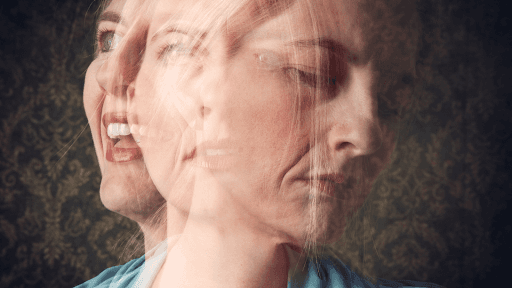
Bipolar Disorder II is a chronic mood condition characterised by recurring depressive episodes and hypomanic episodes. Unlike Bipolar I, hypomania is less intense than full mania and may sometimes feel productive, energetic or positive to the individual. These episodes, however, often disrupt routines, decision making and emotional stability. The depressive phases tend to be deep and long lasting, impacting functioning, relationships and self-worth.
Individuals living with Bipolar II often feel misunderstood. Friends and family may not recognise hypomania as a symptom because the person appears “more active” or “in a better mood.” During depressive periods, loved ones may assume the person is “overthinking” or “not trying hard enough.” This cycle of misunderstanding can lead to guilt, conflict and emotional burnout.
At Royal House of Psychiatry (RHOPE), we understand the subtle complexities of Bipolar II. Our approach combines clinical expertise with deep empathy. We help individuals and families recognise mood patterns, build emotional resilience and develop long term strategies for stability. With the right treatment, people with Bipolar II can achieve steady mood regulation, functional stability and strong emotional wellbeing.
What Is Bipolar Disorder II
Bipolar Disorder II involves at least one hypomanic episode and one or more major depressive episodes. Hypomania may initially appear positive but can lead to impulsivity, irritability or poor judgement. Depressive episodes are typically more severe and prolonged.
RHOPE prioritises early detection, personalised care and mood stabilising strategies that address both emotional highs and lows.

Key Symptoms of Bipolar Disorder II
Symptoms differ based on whether the individual is experiencing a hypomanic or depressive phase.
1. Hypomanic Symptoms
- Increased energy and reduced need for sleep.
- Heightened confidence, fast speech or unusual productivity.
2. Depressive Symptoms
- Persistent sadness, hopelessness or emotional exhaustion.
- Loss of interest, low energy and difficulty performing daily tasks.
3. Behavioural Changes
- Rapid shifts between emotional highs and lows.
- Impulsivity or irritability during hypomania.
Real Stories. Real Help. Unlock understanding:
Neeraj, age twenty seven, goes through phases where he feels energetic, works long hours and makes big decisions impulsively. Weeks later, he becomes withdrawn, exhausted and overwhelmed. His family struggles to understand the inconsistency. At RHOPE, he receives an accurate diagnosis that finally explains his long term emotional patterns, allowing him to begin structured treatment for stability.

Causes and Risk Factors
- Genetic Predisposition
Family history significantly increases vulnerability. - Neurochemical Imbalance
Fluctuations in serotonin, dopamine or other neurotransmitters. - Stress and Emotional Triggers
Life transitions, trauma or chronic stress worsen mood cycles. - Lifestyle and Sleep Disruptions
Irregular routines or poor sleep patterns destabilise mood.
RHOPE identifies personal triggers to design targeted treatment strategies.
Diagnosis of Bipolar Disorder II at Royal House of Psychiatry (RHOPE)
Bipolar II is frequently misdiagnosed as depression, anxiety or personality disorders. RHOPE uses a structured, refined approach to ensure accurate identification.
Diagnostic Methods Used at RHOPE
- Clinical Interview and Mood History
Explores energy levels, emotional patterns, sleep cycles and behavioural changes. - Mood Cycle Tracking
Identifies duration and frequency of hypomanic and depressive episodes. - Standardised Assessment Tools
Measures mood instability, impulsivity and symptom severity. - Medical and Neurological Evaluation
Ensures symptoms are not due to hormonal or medical conditions. - Family and Social History
Provides context on genetic risk and environmental triggers.
This comprehensive evaluation ensures precision in diagnosis and clarity for the patient and family.

Comprehensive Treatment for Bipolar Disorder II at RHOPE
Treatment for Bipolar II requires stabilising emotional cycles while preventing relapse and supporting long term functioning.
1. Mood Stabilising Medications
- Helps prevent highs and lows from becoming extreme.
- Maintains emotional equilibrium over time.
Medications are tailored to each individual’s symptom pattern.
2. Antidepressants (When Needed)
- Used carefully alongside mood stabilisers.
- Prevents triggering hypomanic episodes.
RHOPE follows strict protocols for safe and effective use.
3. Cognitive Behavioral Therapy (CBT)
- Helps regulate thought patterns and emotional responses.
- Strengthens coping mechanisms and self-awareness.
CBT is highly effective for depressive phases.
4. Interpersonal and Social Rhythm Therapy (IPSRT)
- Stabilises daily routines and sleep schedules.
- Reduces mood instability linked to biological rhythms.
This therapy is particularly helpful for bipolar conditions.

5. Psychoeducation
- Helps individuals recognise early warning signs.
- Enhances treatment adherence and self-management.
Improves long term mood control.
6. Family Counseling
- Supports healthier communication and reduces conflicts.
- Helps families understand mood cycles and triggers.
Family involvement strengthens outcomes.
7. Lifestyle and Stress-Reduction Planning
- Focuses on regular sleep, exercise and balanced routines.
- Reduces vulnerability to emotional shifts.
Stability in lifestyle equals stability in mood.
Long-Term Recovery and Stability at RHOPE
Bipolar II requires ongoing support to maintain stability.
- Regular follow ups for medication adjustment.
- Routine monitoring of mood patterns and triggers.
- Long term therapy for emotional resilience.
- Work-life support to rebuild productivity and confidence.
RHOPE ensures individuals build sustainable stability and long lasting emotional wellbeing.
Why Choose Royal House of Psychiatry (RHOPE)
RHOPE is known for its deep expertise in mood disorders, especially bipolar spectrum conditions.
- Accurate diagnosis using evidence based tools.
- Personalised treatment combining medication and therapy.
- Emphasis on long term mood stability and relapse prevention.
- Family inclusive support for holistic recovery.
- Warm, stigma free environment that encourages consistent care.
- Highly trained clinicians with experience in bipolar spectrum disorders.
RHOPE empowers individuals to live balanced, emotionally grounded lives.

Frequently Asked Questions
- Can Bipolar Disorder II be fully treated?
It is a long term condition, but symptoms are highly manageable with treatment. - Is Bipolar II less serious than Bipolar I?
No. It presents differently but requires equal care and long term management. - Can hypomania be dangerous?
Yes. It may appear positive but can lead to impulsive decisions. - Do medications need to be taken long term?
Often yes, especially for relapse prevention and long term stability. - Can people with Bipolar II work or study normally?
Absolutely. With the right support, individuals thrive in their personal and professional lives.

Begin Your Mood Stability Journey with RHOPE
Bipolar Disorder II can feel confusing and emotionally overwhelming, but early diagnosis and expert care create strong pathways to stability. At Royal House of Psychiatry (RHOPE), we provide comprehensive treatment, personalised therapy and long term support that help individuals regain balance, clarity and confidence.
To schedule an evaluation or consultation, contact Royal House of Psychiatry (RHOPE) today. Your journey toward emotional stability begins now.
Take the First Step Today
You deserve a life of calm, clarity and consistency.
Book your consultation at RHOPE today and begin your journey to lasting emotional stability.